

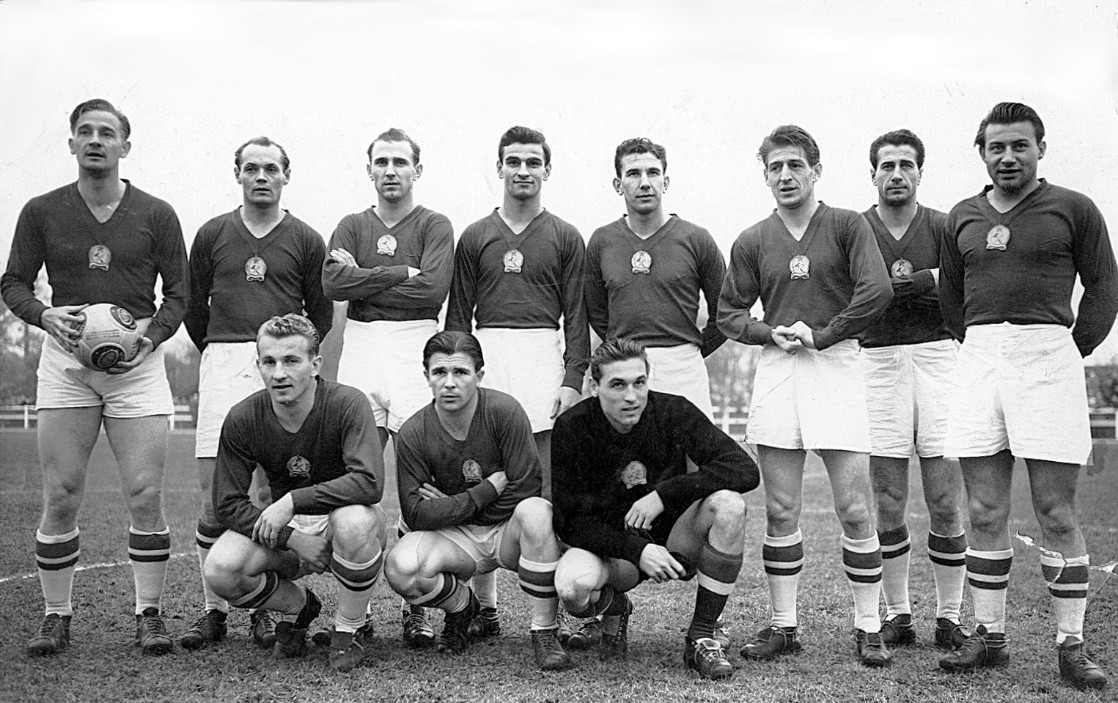
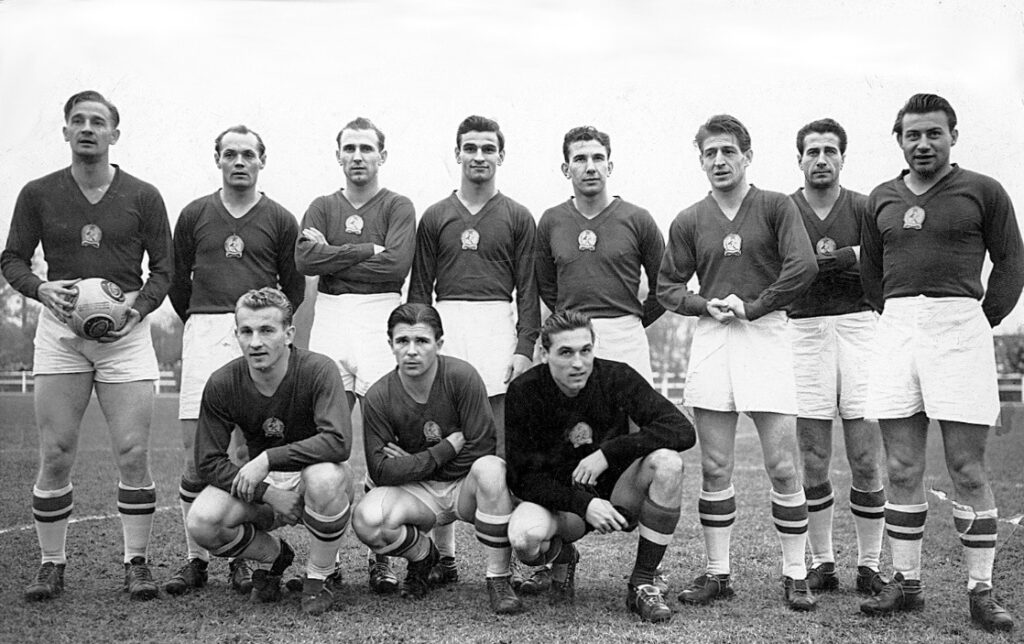
As the World Cup is about to start let’s talk about the best team that ever was, at least according to the BBC (they did a scientific analysis in 2016 using a supercomputer).
In fact, the Golden Team has the highest Elo rating ever reached by any national team, 2231 points. So perhaps the BBC is onto something….
Few teams in football history have captured the imagination of fans and changed the sport as profoundly as Hungary’s legendary “Golden Team,” known around the world as the Mighty Magyars. Between 1950 and 1954, the Hungarian national team went unbeaten, and from 1950 until 1956 they played 69 matches, losing only once. During this remarkable period, they scored an astonishing 436 goals, averaging more than six goals per game! establishing themselves as one of the greatest teams ever assembled. The Mighty Magyars were far more than a collection of talented players however. They revolutionized football through tactical innovation, fluid movement, and technical excellence. At a time when most teams relied on rigid formations and fixed positions, Hungary introduced a dynamic style in which players constantly interchanged roles.
Their deep-lying center-forward system, orchestrated by Nándor Hidegkuti, confused defenders who were accustomed to marking opponents in traditional positions. Quick passing, intelligent movement, and collective teamwork became the hallmarks of their game and laid the foundations for many of the tactical developments seen in modern football. The squad possessed extraordinary depth and quality. Players such as József Bozsik, Sándor Kocsis, Zoltán Czibor, and Hidegkuti were world-class talents in their own right. Even the goalkeeper, Gyula Grosics, was exceptional. Regarded as one of the greatest goalkeepers of all time, he was thought to be the first goalkeeper to play as the sweeper-keeper. In this style of play the goalkeeper can act as an extra defender when needed. This also allowed his teammates to press deep in their opponents’ half, plus Grosics’ willingness to come out and challenge opposing attackers caused them to miss shots on net.
Together they formed a team of exceptional intelligence, technical skill, and attacking power. Yet even among such stars, one figure stood above all others: Ferenc Puskás.
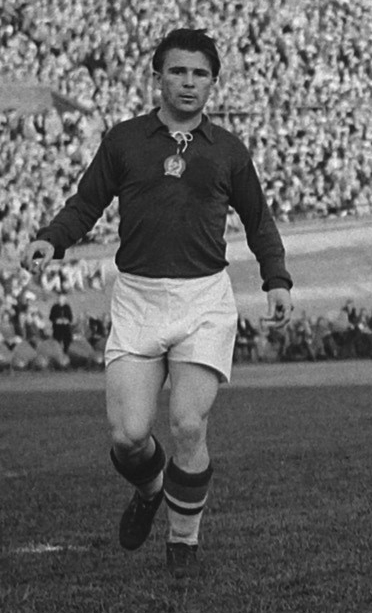
Puskás was the heart and soul of the Golden Team. Blessed with incredible vision, a devastating left foot, and unmatched football intelligence, he could score goals from seemingly impossible situations. Many historians regard him as one of the greatest footballers who ever lived. Indeed, he was the highest goal scorer in international football, (802 goals in 792 games, that’s more than a goal per game), in the 20th century and 5th on the all-time list, and remains one of the sport’s most iconic figures. He scored 84 goals in 85 games for the Hungarian national team. From 1958 to 1966 he played in Real Madid, appeared in 262 games and scored 242 goals.
The defining moment of the Mighty Magyars came on November 25, 1953, in what became known as “The Match of the Century.”. The British press referred to it as such – the originators of the game (England), against the finest team (Hungary) in the world at that time, hence: “The Match of the Century.”.
At Wembley Stadium, Hungary defeated England 6–3 in a performance that stunned the football world. England had long considered itself unbeatable at home against continental opposition and had not lost on home soil to a foreign national team in nearly 90 years, aside from a defeat to Northern Ireland in 1949. Hungary shattered that illusion with a display of speed, creativity, and tactical sophistication that left the English defense bewildered.
If anyone believed the result was a fluke, the return match in Budapest the following year removed all doubt. Hungary trashed England again 7–1, the heaviest defeat in English football history, ever. In fact, out of England’s 10 biggest defeats three came at the hands (feet) of Hungary. 3:6 in 1953, 1:7 in 1954 and 0:4 in 2022.
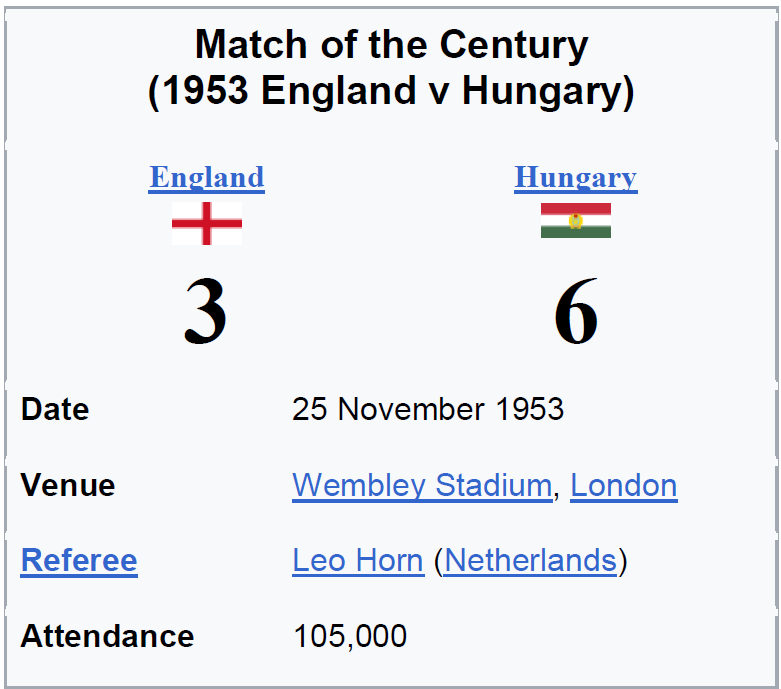
In case you are a fan of football here is a short clip (9 min) of that famous match: https://www.youtube.com/watch?v=QyR0zusHtiQ
Then came the national tragedy, the 1954 World Cup. Hungary was clearly the favorite and was expected to win. In their first two matches they beat South Korea 9:0, then Germany 8:3. However in that game a foul (intentional perhaps?) on Puskas by the Germans left him with a hairline fracture of the ankle which made him unavailable for the next two games. Nevertheless, Hungary beat Brazil 4:2 in a game that was anything but. After the Hungarians went up 2:0 the game descended into a series of fouls, free kicks and fights on the pitch resulting in three dismissals. At the end of the game the fighting continued off the pitch, in the tunnels and in the players’ dressing rooms.
Next came Uruguay and once again Hungary was without Puskas. Uruguay were the defending champions, and had never lost a World Cup match in their history, winning both tournaments they had previously entered. That winning streak had come to an end as they lost in overtime 4:2.
Hungary was in the finals against the same German team they beat 8:3 earlier. This time Puskas was on the pitch however he still wasn’t 100%. Hungary was up 2:0, then the Germans equalized and pulled ahead by one. Hungary equalized but it was deemed offside and the score remained 3:2 to Germany. In fact, there were three controversial incidents in the final, each favoring the Germans; Hungarian goalkeeper Grosics was allegedly obstructed for the second German goal, Puskás apparently equalized in the 89th minute but was deemed to be offside, and there was an alleged foul on Kocsis in the penalty area in the final minute of the game. Where is VAR when you need it, right? These issues plus the fact that, allegedly, the Germans targeted Puskas in their first match and injured him intentionally points to a rigged match, however it is history now.
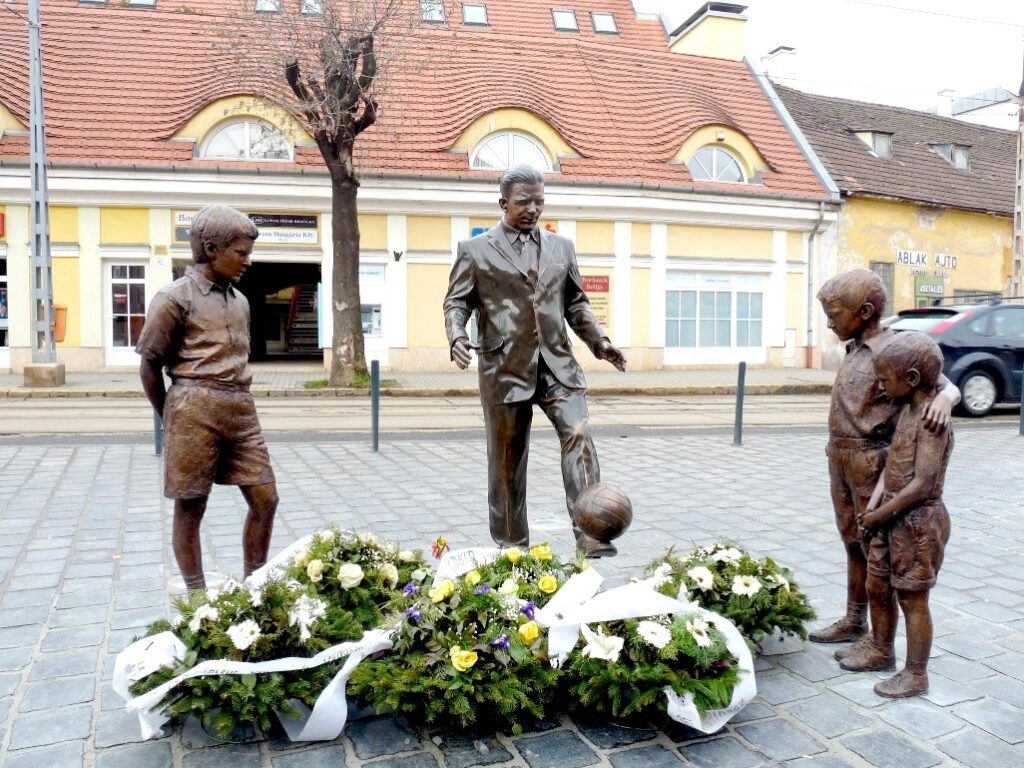
The Mighty Magyars may have fallen just short of winning the 1954 World Cup, but their influence on football remains immense. Their innovative style transformed the game, and the brilliance of Ferenc Puskás continues to inspire generations. More than seventy years later, Hungary’s Golden Team remains a symbol of footballing excellence and one of the greatest team the world has ever seen.
Let’s hope the 2026 World Cup produces some fine plays and unforgettable goals.
Who do you cheer for?
Alex