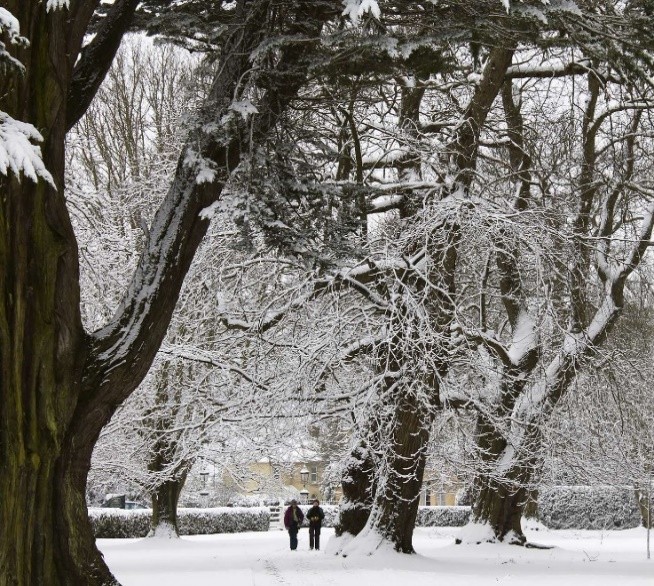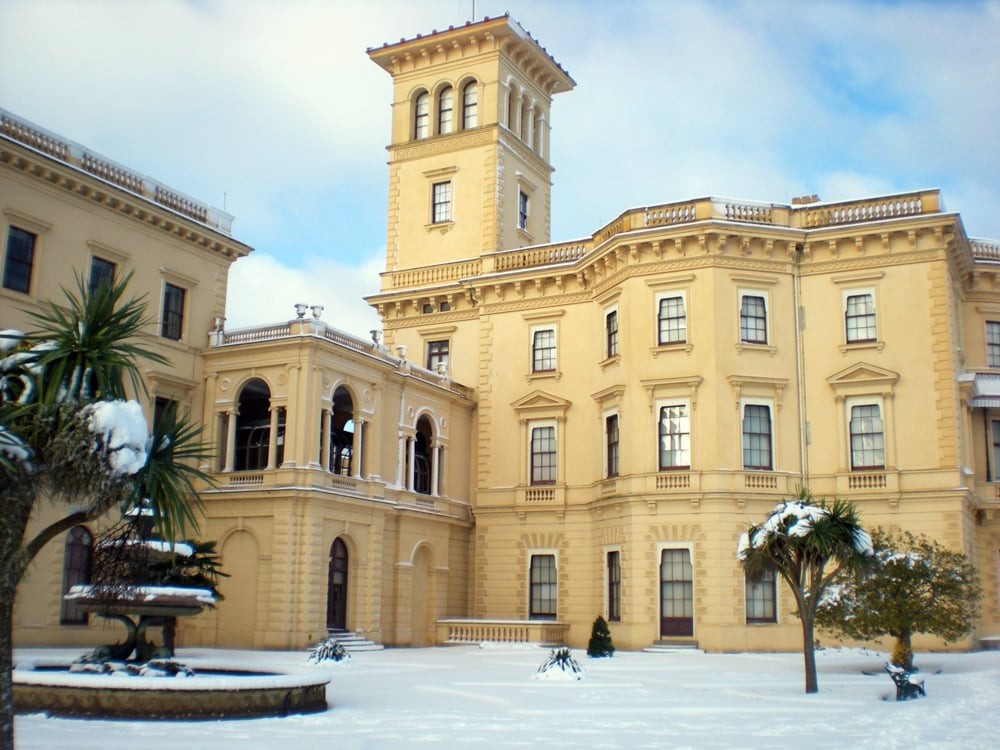


Yes, it may be the midst of winter but there’s nothing like a fresh winter walk through a beautiful historic garden. English Heritages’ castles, halls and stately homes are enchanting in the colder seasons. So why not make the most of rewarding garden walks and sparkling wintry views.
Audley End House and gardens
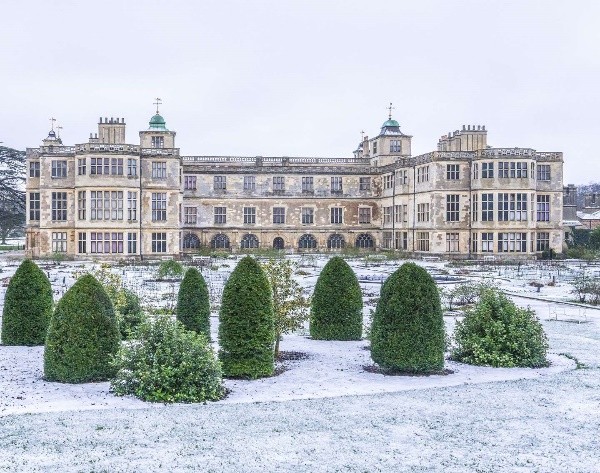
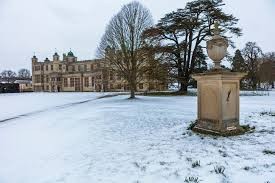
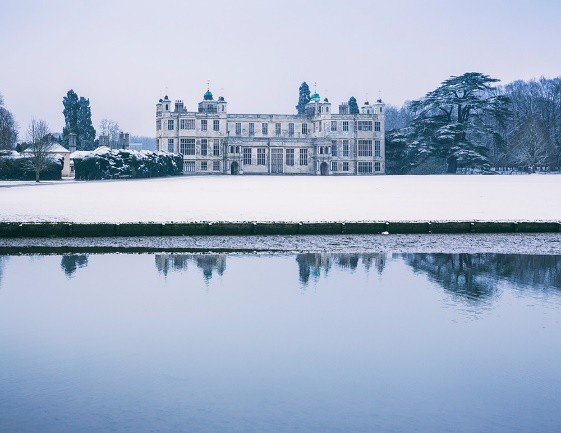
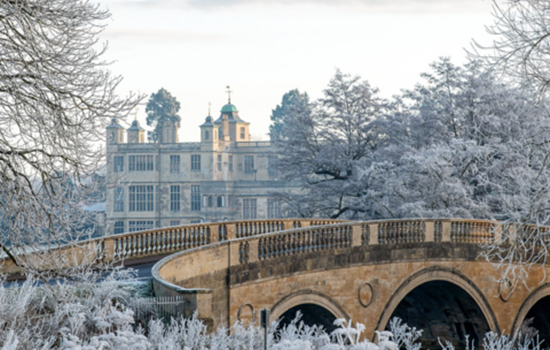
It’s all about shape and structure at Audley End House and Gardens in the winter months. The house is set in a landscape designed by Capability Brown, there are the evergreen shrubberies to explore, and – in the kitchen gardens – the structure and shapes of the fruit trees are most evident. The branches are shaped into fans or espaliers, and frame the views across the garden to the glasshouses.
Close to the house, the form of the cloud hedge, is often accentuated with a covering of frost or snow, highlighting the intricate shapes of the yew and box plants. In late winter, snowdrops carpet the Lime Tree Walk and early daffodils appear as yellow jewels around the parkland.
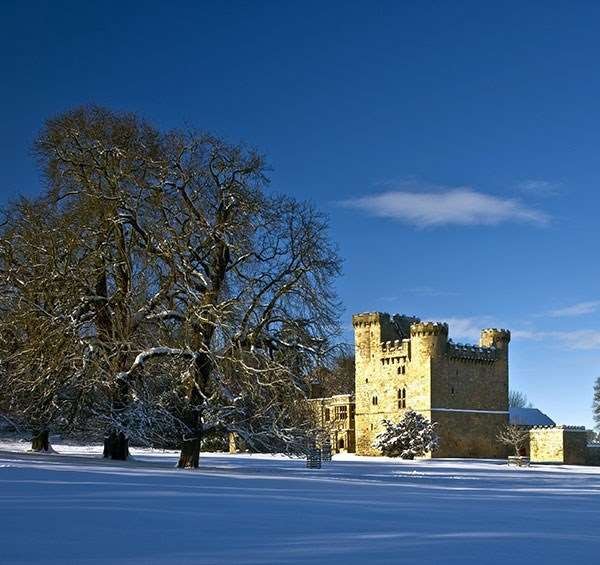
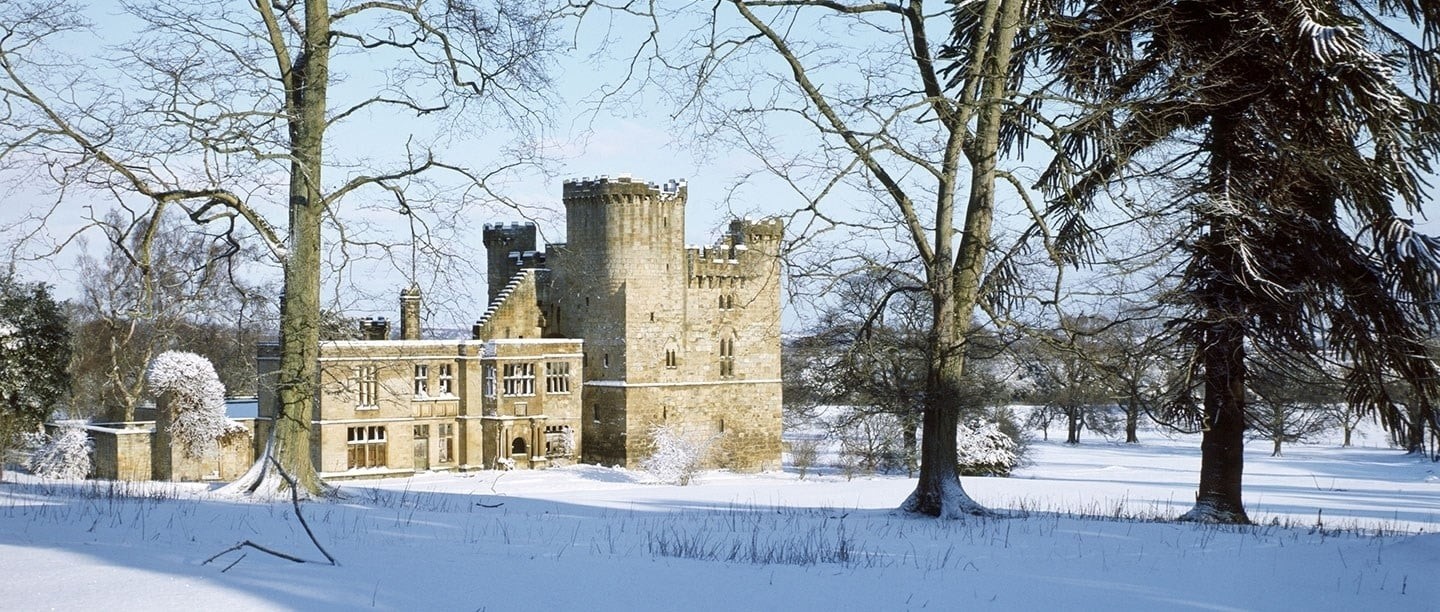
Belsay Hall, castle and gardens
Wrap up and enjoy the delights of Belsay in winter. You can’t miss the impressive 28 metre Douglas fir, planted in the 1830’s.
If you’d rather not brave the cold, you can take in the views of the garden from the warmth of the bedrooms in the house.
Lady Anne Middleton started a tradition in the early 18th century for the ladies of the house to plant snowdrops together. Come in February to see the vast white carpets of snowdrops in the garden, fields and woodland surrounding the hall.
Brodsworth Hall
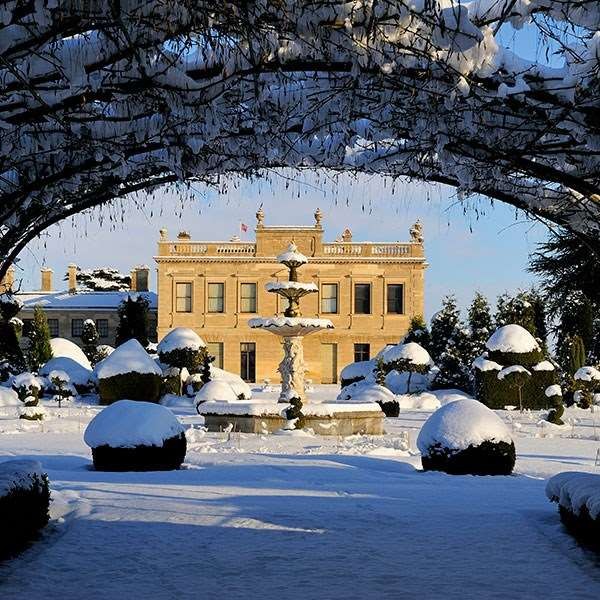
The gardens at Brodsworth Hall have been designed for year-round interest – and there’s plenty to enjoy in winter.
Discover the restored Victorian Privy Garden, which was designed to cover up the sight and smell of an outdoor loo.
A festive treat for garden-lovers is the Christmas rose, which comes into flower around Christmas. The evergreens of the formal garden look their most dramatic during the winter, having been clipped through the summer. Their sharp lines and sweeping curves catch the eye at every turn, while the holly berries provide striking pockets of red, yellow and orange.
More than 500,000 snowdrops and 200,000 aconites will begin to flower, so it’s hard to miss them in late January. They cast a white and yellow blanket across the lawns and throughout the woodland.
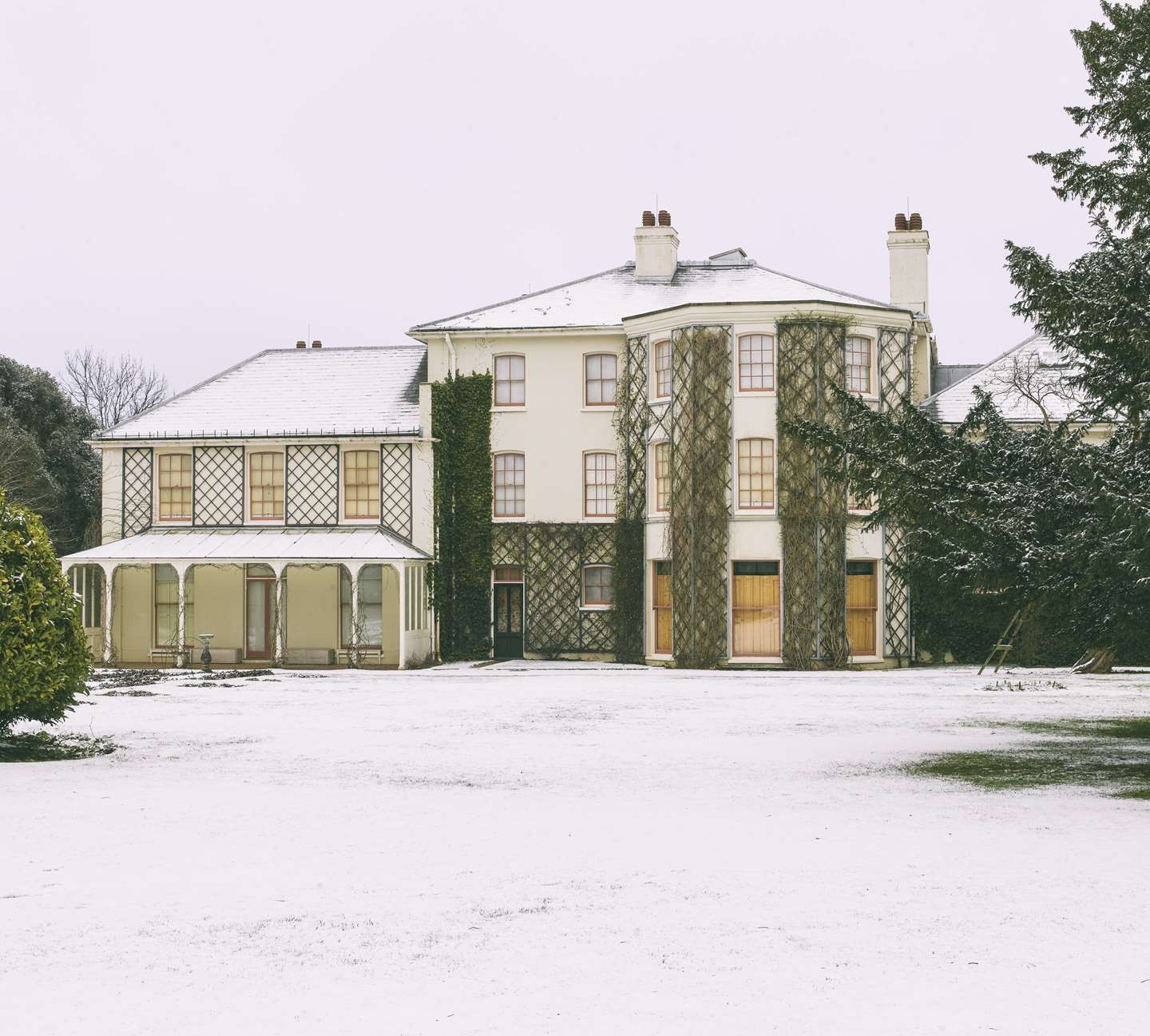
Home of Charles Darwin – Down House
While most of the Down House garden rests in preparation for spring, look out for orchids in late January and early February when they put on a show in the greenhouses.
Outside, snowdrops and daffodils provide colour and interest through the garden in the winter months. They should be in full bloom by late winter as the weather starts to warm up.
Kenilworth Castle and Elizabethan Garden
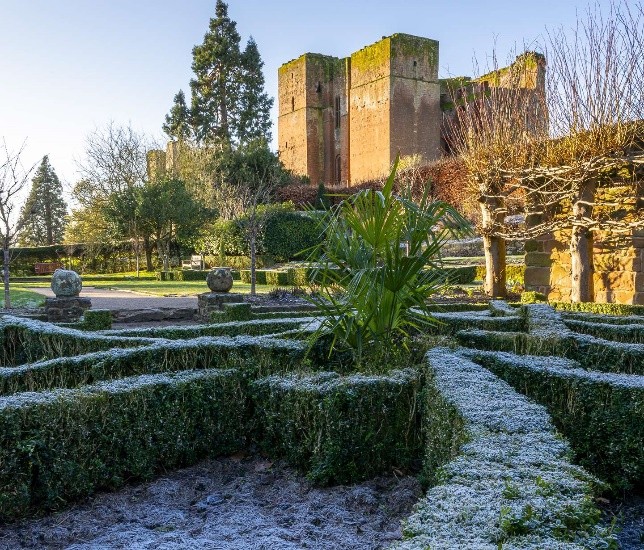
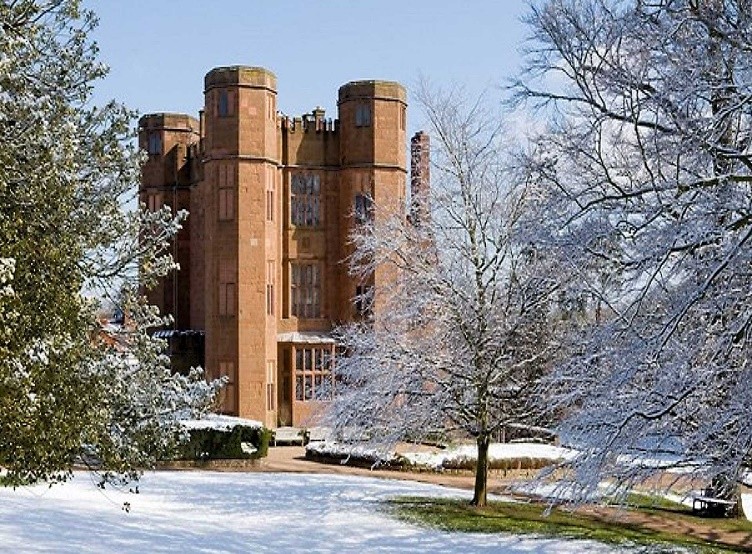
The gardens at Kenilworth were designed for the pleasure and entertainment of Queen Elizabeth I in the 16th century.
In winter, you can easily pick out the geometrical bed patterns within the Elizabethan garden, with the 4.6m obelisks also providing structure. Obelisks were ancient symbols of power and immortality, and are an important feature of the gardens.

Kenwood House
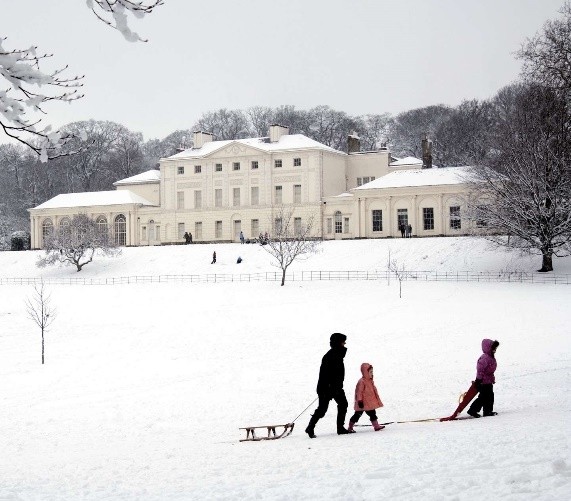
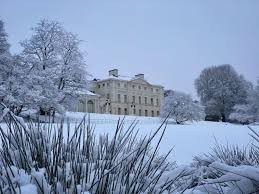
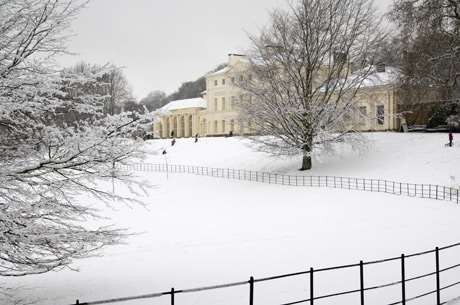
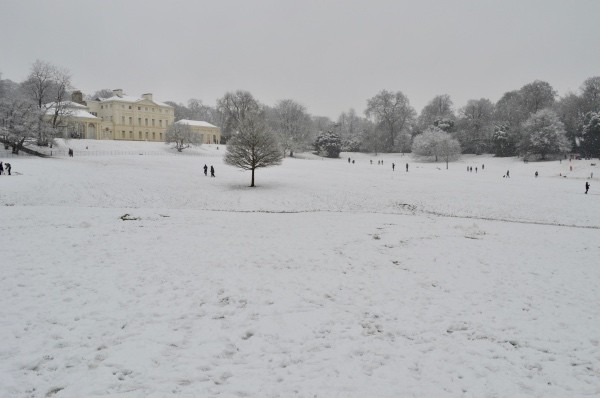
On the edge of Hampstead Heath and surrounded by tranquil landscaped gardens, Kenwood House is one of London’s hidden gems. The winter and early spring are ideal times to see the sweeping pasture and woodlands in Kenwood’s grounds, designed by famous British landscaper Humphry Repton.
On cold mornings, walk around the ponds and woodlands to see them sparkle in the winter frost. Look out for many veteran trees dotted about the estate. This includes London Plane tree which is estimated to be between 250 and 300 years old.
Osborne House
Winter is a great time of year to appreciate the structure of Osborne’s avenues and the plethora of historic trees. Many of these were planted under the direction of Prince Albert in the 19th century.
The garden features many evergreen plants, which were fashionable in the Victorian era. Walk in Queen Victoria’s footsteps through the pleasure grounds near the house and you’ll find evergreens like rhododendrons and azaleas.
The Isle of Wight enjoys a mild climate, so look out for early flowering. Daffodils (such as Grand Soleil d’Or) flower just before Christmas. If the weather is kind, primroses and native violets start flowering along the woodland walks down to the beach in February.
Richard