

The English language is full of confusing elements, and two of the biggest are pronunciation and spelling. English pronunciation and spelling are difficult because they developed from multiple languages, including Old English, French, German and Latin. Sound changes, inconsistent spelling rules, silent letters, and many exceptions have contributed to this, and this confusion can especially be seen in homonyms, homophones, and homographs. While these terms are closely related, they describe different relationships between words that share similarities in spelling and/or pronunciation.
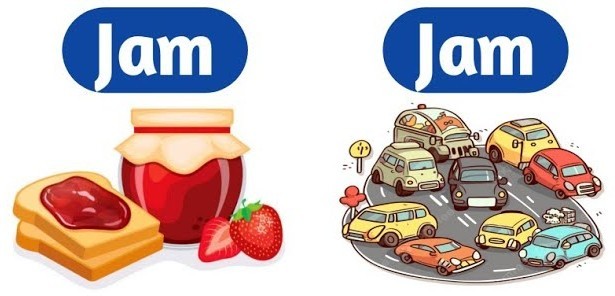
Homonyms are words that share the same spelling and pronunciation but have different meanings. For example, the word bat can refer to a flying mammal or a piece of sports equipment used in baseball. Even though the meanings are unrelated, the words look and sound identical. A bank can hold your money or be the land bordering a river. You might park your car in a park, or watch a match that could be a game or a small stick that makes a flame. Even a simple ring may circle your finger or suddenly ring on your phone. Homonyms can sometimes cause confusion, but context usually makes the intended meaning clear

Homophones, on the other hand, are words that sound the same but differ in spelling and meaning. For instance, their, there, and they’re are classic examples. All three are pronounced the same, yet each has a distinct function and definition. You can see the sea, but you cannot spell them the same way. A knight may ride at night, and a yellow flower is not the same as baking flour. Two, too, and to have their unique places in English as do break and brake. Homophones often present challenges in writing because relying on sound alone can lead to spelling mistakes.
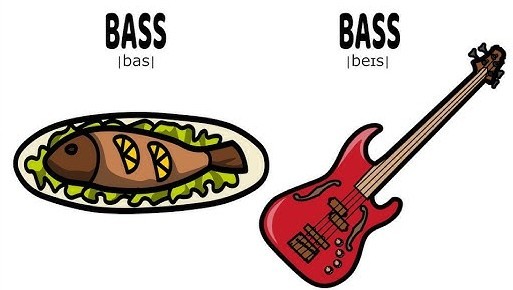
Homographs are words that share the same spelling but have different pronunciation and meaning. A good example is lead.It can be pronounced “leed,” meaning to guide, or “led,” referring to a type of metal. A single tear (pronounced “teer”) can roll down your cheek, or you might tear (pronounced “tair”) your clothes. The wind (pronounced “wind”) can blow hard, yet you can also wind (pronounced “wined”) a clock. With homographs, correct pronunciation depends entirely on context. Together, homonyms, homophones, and homographs demonstrate the complexity and flexibility of English. They enrich communication, create opportunities for humor, sometimes unintended, and highlight the importance of context in understanding meaning. So, whether you meet or eat meat, have a fir or fur or you bear a bare bear, it is always essential to keep the context in mind as that greatly affects the meaning.