

It usually begins in March and lasts until May. The days become longer, which means the sun sets later in the evening. This is because the UK has DST or Daylight Saving Time, when clocks go forward by one hour in March. So, this gives people more daylight in the evenings to enjoy outdoor activities. The weather in spring can be unpredictable. Some days are warm and sunny, while others can be rainy and a little chilly. However, as the weeks go by, the temperature increases, and people start to enjoy more time outside.
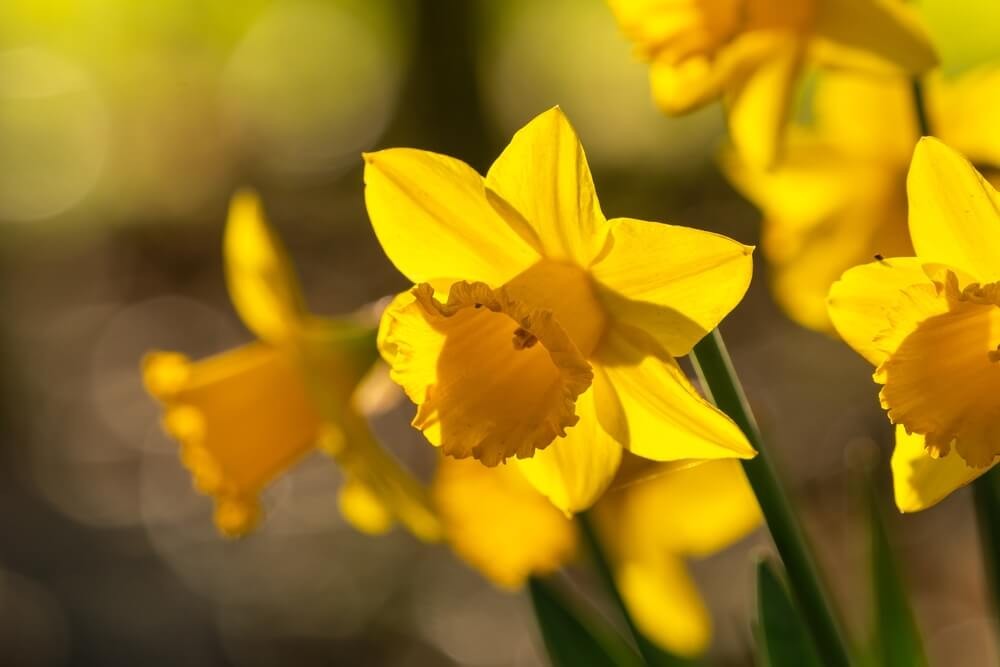
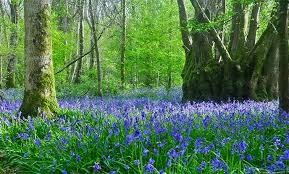
One of the best signs of spring is the return of colourful flowers. Daffodils, tulips, and bluebells are some of the first flowers to bloom. Parks and gardens become full of bright colours.
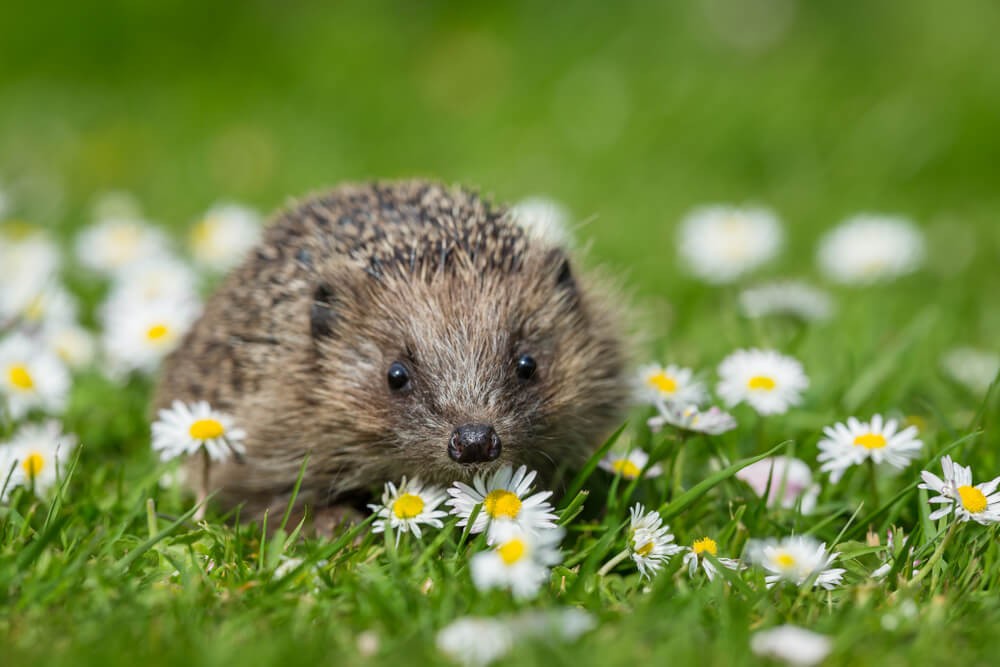
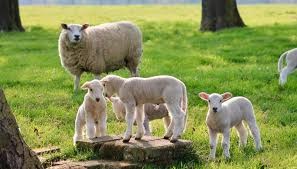
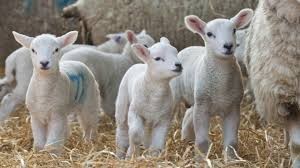
Animals become more active in spring. Birds sing more, and you might just see baby lambs in the fields. Hedgehogs, which hibernate during the winter, wake up and start to move around looking for food.
Spring is also a season for celebration. In April, Easter is celebrated with chocolate eggs and special events. People also do more things outdoors, like hiking and going on picnics.
Here are some fun facts about spring in the UK
The UK’s national flower for spring is the daffodil. It is bright yellow and often associated with Wales and St. David’s Day on 1st March.
Bluebells cover many forests around the UK. These purple-blue flowers usually appear in April and May with many people visiting woodlands to see them.
Spring is also known for April showers. The phrase “April showers bring May flowers” is common in the UK because the month of April often has short, heavy rain showers.
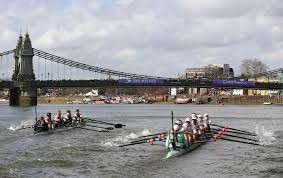
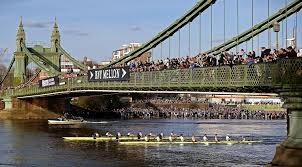
The UK also has a famous boat race. Every year in March or April, Oxford and Cambridge (the UK’s most prestigious universities) compete in a rowing race on the River Thames in London.
Lambing season is also a big event. In many parts of the UK, particularly in the countryside, people love to see baby lambs being born in spring.
As I’m sure you are all aware, us British always love to talk about the weather.