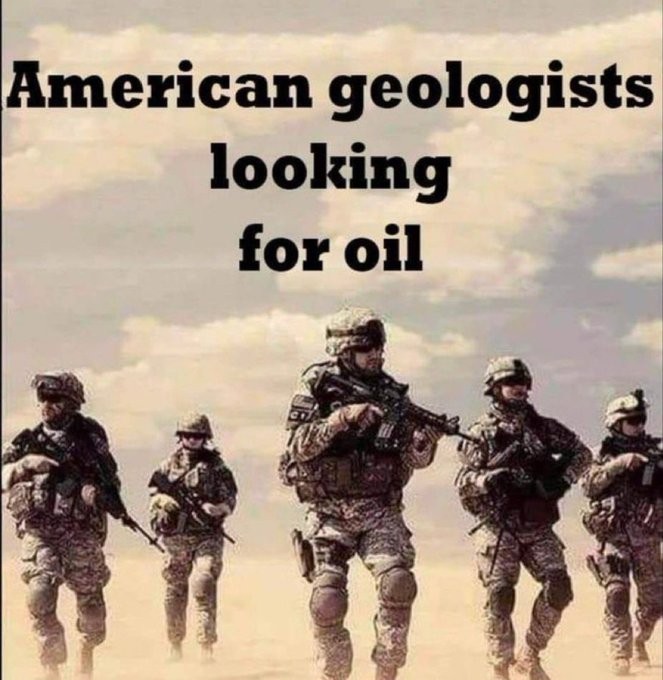


US meddling in the Middle East, although this time (Jan 2026) the reason was not explicitly for oil, usually ends in countless innocent deaths and a sharp rise in oil prices, which incidentally benefits the oil companies greatly. Our wallets not so much.
The most recent US – Iran conflict is not their first tango – although the one 73 years ago was not an outright military confrontation – read on for a glimpse into history.
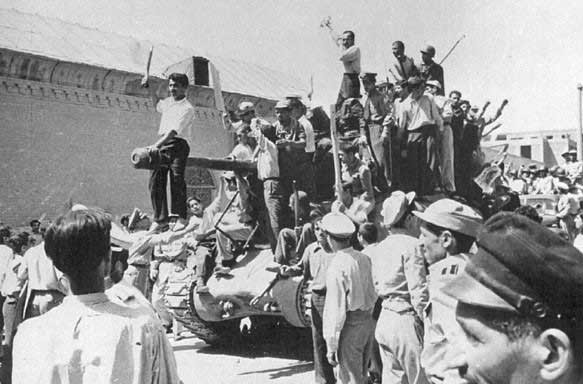
The Aug 15 – 19, 1953 Iranian coup d’état remains one of the most controversial episodes of foreign intervention in modern history. Known as Operation Ajax, the coup was organized by the CIA and the British intelligence service MI6 to overthrow Iran’s democratically elected Prime Minister, Mohammad Mossadegh. Mossadegh had moved to nationalize Iran’s oil industry, ending the dominance of the Anglo-Iranian Oil Company, which British interests viewed as a major threat.
During the Cold War, the United States also argued that political instability in Iran could create opportunities for Soviet influence, providing an additional justification for intervention. However, this threat was greatly exaggerated.
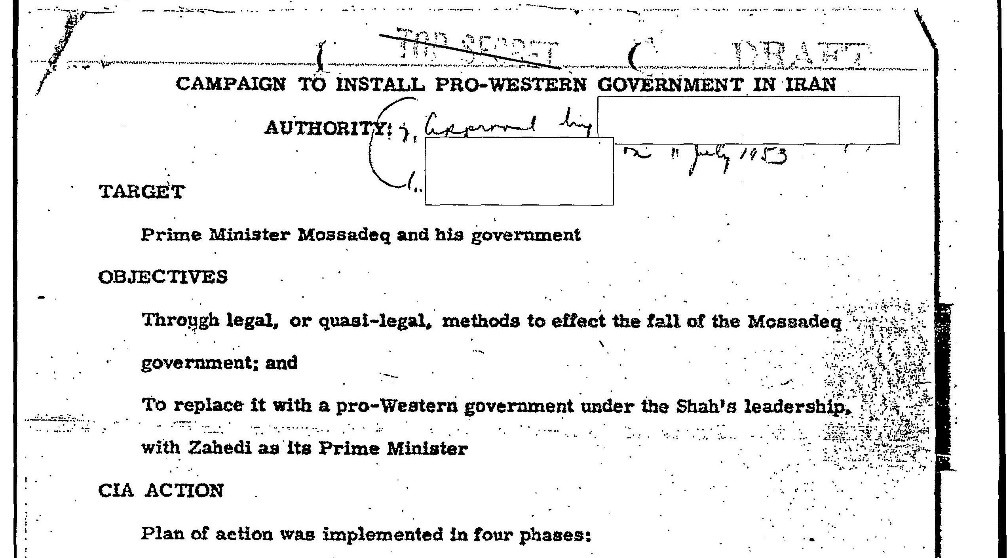
Confirmation for execution of Operation Ajax.
Notice the “Top Secret” at the top
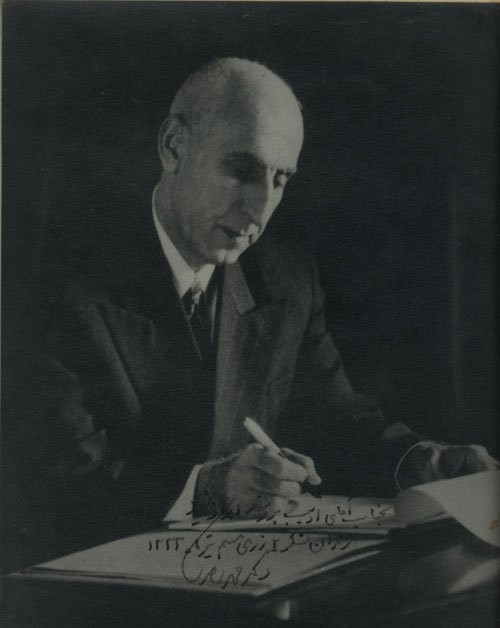
The coup removed Mossadegh from power and imposed the rule of Shah (King) Mohammad Reza Pahlavi and significantly increased the level of influence of the United States over Iran and its oil.
While the British and US government portrayed the intervention as necessary for regional stability, it is clear that economic interests—particularly control over oil resources and access to energy markets—was the main reason. The long-term consequences were profound, contributing to widespread resentment of Western involvement in Iran and helping shape the political tensions that eventually culminated in the 1979 Iranian Revolution which overthrew of the Pahlavi dynasty thereby ending the US’ influence over Iran and its oil resources and revenue.
The legacy of 1953 continues to influence how many people interpret more recent confrontations involving Iran and the United States. Critics argue that American foreign policy in the Middle East has been driven not by the promotion of democracy but by strategic and economic interests, including maintaining influence over global oil supplies and preserving the international financial system in which oil has almost exclusively been traded in U.S. dollars, hence the name “petrodollar”, thereby ensuring unduly American economic influence around the world.
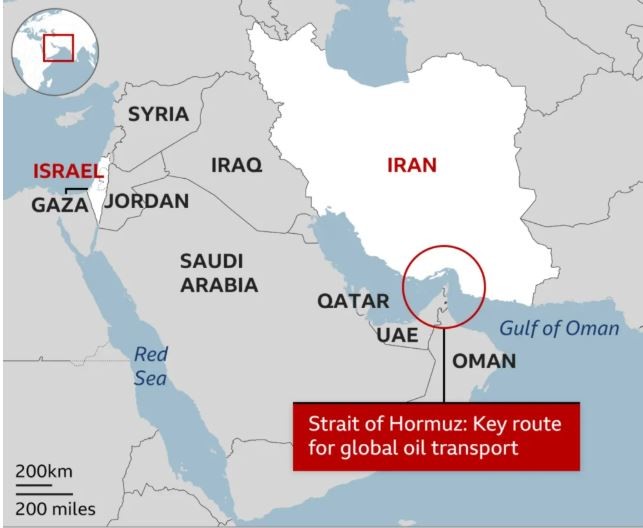
The economic consequences of the latest conflict involving Iran are also being felt far beyond the region. Because Iran occupies a strategically important position near major oil shipping route, the Strait of Hormuz, heightened tensions disrupt energy markets, increase oil prices, and contribute to inflationary pressures around the world. Higher energy costs ripples through transportation, manufacturing, and food production, slowing economic growth and affecting people’s lives globally.
However, the US has clearly underestimated Iran’s resiliency and the consequences of the war to worldwide economic growth and regional stability. Historical events like the 1953 coup remind us that the British and American governments almost always justify foreign interventions with ideals such as democracy, freedom, or security, however the truth is that it is almost always borne out of strategic and economic interests.
Basically, they lie about the true reasons for their interventions and it often comes back to haunt them.
Case in point, the high gas prices at the pumps in the US might make Trump lose the midterm elections this fall making him a lame duck president while Iran is as strong as ever, will continue to develop nuclear weapons and, to boot, may charge one to two million dollars per ship transit fee for passing through the Hormuz straight.
Who’s got the last laugh now? Alex