

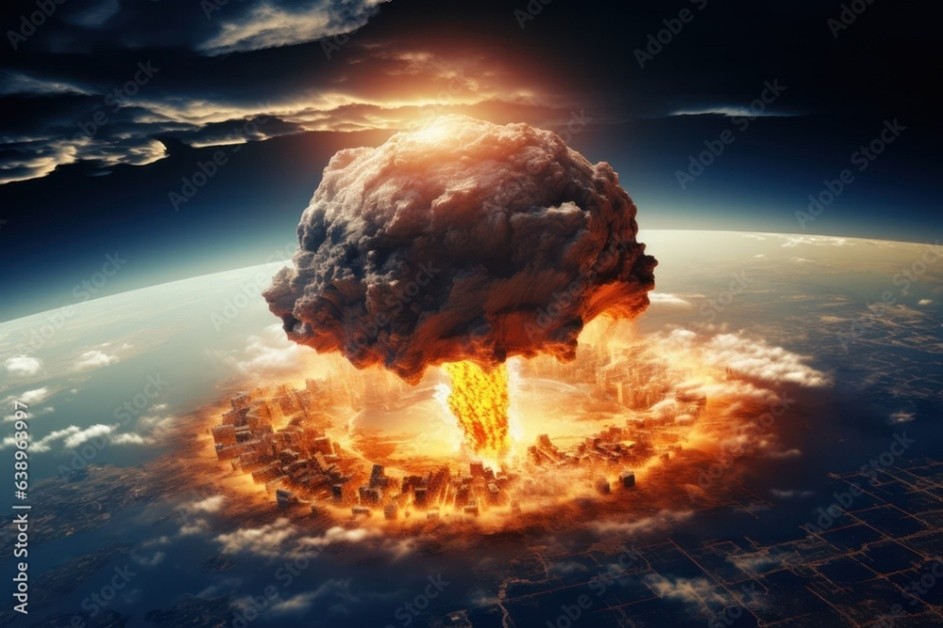
It was just after midnight in Moscow when a computer screen delivered a terrifying message: an American nuclear missile was supposedly on its way toward the Soviet Union.
The date was September 26, 1983. The Cold War was at one of its most dangerous moments. The United States and Soviet Union possessed thousands of nuclear weapons, and both sides feared that the other might launch a surprise attack.
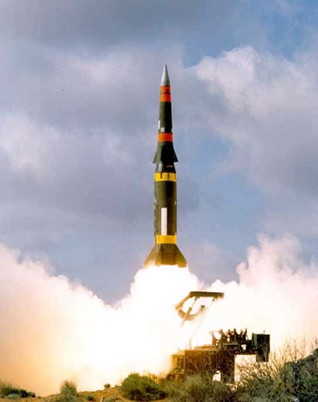
For years, military tensions had been intensifying. American reconnaissance flights, military exercises, and other operations tested Soviet defenses and demonstrated American nuclear capabilities. Soviet leaders increasingly viewed these activities through the lens of a possible Western first strike. In 1983, NATO also began deploying 108 American-made Pershing II nuclear missiles in Western Europe. Because these missiles were stationed relatively close to Soviet territory and could reach their targets quickly, Moscow regarded them as an especially serious threat.
Then came the alarm.
The Soviet early-warning system reported that one American intercontinental ballistic missile had been launched toward the USSR. Moments later, the system detected several more. If the reports were genuine, the Soviet Union could have only minutes to determine whether it was facing a nuclear attack.
Inside the command center sat Lieutenant Colonel Stanislav Petrov, the officer on duty. Petrov faced an extraordinary decision. Should he report the warning as a genuine attack, potentially triggering the Soviet leadership’s nuclear response procedures? Or should he declare that the system was wrong?
He chose caution.
Something about the warning did not make sense. A real American first strike would presumably involve hundreds of missiles, not just a handful. Petrov therefore judged that the warning was most likely a false alarm and reported it accordingly rather than treating it as a confirmed attack.
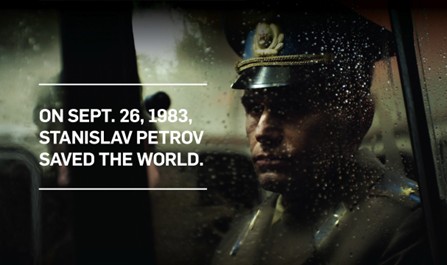
He was right.
The Soviet satellite system had mistaken sunlight reflecting from high-altitude clouds for missile launches.
No nuclear missiles were fired. No retaliatory strike was ordered.Petrov did not single-handedly control the Soviet nuclear arsenal, nor can we know with certainty that his decision alone prevented World War III. But his judgment stopped a frightening computer-generated warning from immediately being treated as proof of an American nuclear attack.
The incident remains one of the Cold War’s most chilling lessons: when thousands of nuclear weapons are poised for war, the greatest danger may not always be an enemy—it may be a mistake.